

Laws to protect riders.
"What were your key takeaways from the program? Megan covered every aspect of a bicycle case from showing us her own bike to changing laws to protect riders!"
Free Shipping on Orders Over $200

How to Succeed in Your Next Cycling Case - On Demand
Attorney Megan Hottman recently secured a stunning $353 million verdict in a civil suit against a drunk driver who fatally hit an elite-level cyclist. The verdict, which includes substantial punitive damages, sends a powerful message: cycling cases can—and should—be taken seriously.
Most personal injury attorneys are familiar with auto injury cases, but few have as much experience with crashes involving cyclists. You don’t need to be a cyclist yourself to represent an injured cyclist, but you will need to understand how the nuances of these cases make them different.
This 60-minute video will cover the following topics.
Property Claims. Cycling can be an expensive hobby, and cycling cases will sometimes have costly property damage. Hottman will explain why you should settle your client’s property claim first, as well as how to use the damaged bicycle as a trial exhibit. She will provide you with resources for assessing the value of your client’s equipment, and information on including loss of use in your demand letter.
Traffic Cases. Involvement in the traffic, or criminal, a portion of your case can benefit your civil case—and provide an opportunity to be involved in cycling advocacy. The traffic case is a great opportunity for “free” discovery; staying involved helps your client find justice as you review and expose the traffic laws that can lead to bike crashes.
Bodily Injury and UIM claims. In this section, Hottman will describe common injuries—and medical bills—in cycling cases, and provide insights into how your cycling client may be different from someone involved in an auto crash. Hottman will also discuss handling a cycling client with PTSD, anxiety, and trauma.
Other Special Considerations. No two cycling cases are exactly the same, but many have common confounding factors. Hottman will discuss several of these, including vehicle visibility; headphones; signaling turns; the Three Foot Law; the Stop as Yield Law (the “Idaho Stop”); government immunity; crash reconstruction; sidewalks; dooring incidents; menacing behavior; and liability. She will also offer a framework for representing professional athletes.
Jury Selection. Finally, Hottman will cover common forms of jury bias in cycling cases. Knowing the common biases against cyclists will allow you to ask hard questions during voir dire. She will teach you how to educate your jurors on the law and empower them to ask for justice for your client.
Even if you don’t ride yourself, chances are high that someone you know or love does ride a bike. Taking on cycling cases can help you grow your practice and do more good for your community. Join Megan Hottman as she shares how you can become a brilliant advocate for bike riders, and help make the roads safer for everyone.
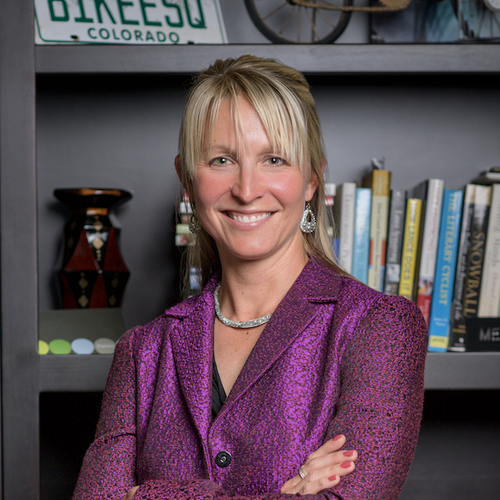
Megan Hottman is a trial attorney who specializes in bicycle crash cases. She has represented over 170 individual cyclists, handles cases nationwide, and is a recognized expert and advocate in the cycling community. An avid cyclist herself, Hottman is uniquely qualified to bridge the gap between the cycling and legal communities.
Click here for Access Instructions for On Demand Programs.
Each attendee must register individually as they will need their own login to access the event.
On Demand Program: 72 minutes
Original Air Date: 01/18/2023
Overall rating: 4.3636365 / 5 from 11 reviews.
Review topics: ["pointers"].
"What were your key takeaways from the program? Megan covered every aspect of a bicycle case from showing us her own bike to changing laws to protect riders!"
"What were your key takeaways from the program? The importance of humanizing your cyclist clients."
"What were your key takeaways from the program? Additional damages for loss of use of the bicycle; using the term "crash" instead of "accident"; adrenaline following crash may cause the victim to minimize injuries; victims often struck from behind and could not see the impact; site condition analysis; jury bias. Which topics did you find least valuable and why? None."
"What were your key takeaways from the program? As a cyclist who has handled cycling injury cases, I take the same approach -- so very re-affirming. Which topics did you find least valuable and why? Found everything was valuable"
"What were your key takeaways from the program? This taught me the value on preserving the actual bicycle itself for a trial exhibit. Also, you need to hire an actual expert to value these bicycles that are sometimes work tens of thousands of dollars. It’s a great bit of info that I will use on my next case!"
"What were your key takeaways from the program? The negative feelings towards bicyclists. Which topics did you find least valuable and why? I think she did a good job presenting but a more formal style with e.g. hit these points, pitfalls in cases, etc., would be more helpful than just generally talking for an hour."
"What were your key takeaways from the program? excellent points on cycling strategy and calling it a crash not an accident; also help avoid prejudices against cyclists Which topics did you find least valuable and why? it was all worthwhile and much appreciated"
"What were your key takeaways from the program? Cyclist have rights and have to be treated appropriately. We need to focus on securing the damaged cycle for property damage purposes and for the trial evidence. Which topics did you find least valuable and why? None. This was amazing stuff"
"What were your key takeaways from the program? Investigation of the crash and biking rules of the road. Which topics did you find least valuable and why? Property damage claims."
"What were your key takeaways from the program? Hit most topics; but never went into any detail regarding cyclists and public entity defendants; street markings, signs and governmental duty to cyclists."

Attorney Megan Hottman recently secured a stunning $353 million verdict in a civil suit against a drunk driver who fatally hit an elite-level cyclist. The verdict, which includes substantial punitive damages, sends a powerful message: cycling cases can—and should—be taken seriously.
Most personal injury attorneys are familiar with auto injury cases, but few have as much experience with crashes involving cyclists. You don’t need to be a cyclist yourself to represent an injured cyclist, but you will need to understand how the nuances of these cases make them different.
This 60-minute video will cover the following topics.
Property Claims. Cycling can be an expensive hobby, and cycling cases will sometimes have costly property damage. Hottman will explain why you should settle your client’s property claim first, as well as how to use the damaged bicycle as a trial exhibit. She will provide you with resources for assessing the value of your client’s equipment, and information on including loss of use in your demand letter.
Traffic Cases. Involvement in the traffic, or criminal, a portion of your case can benefit your civil case—and provide an opportunity to be involved in cycling advocacy. The traffic case is a great opportunity for “free” discovery; staying involved helps your client find justice as you review and expose the traffic laws that can lead to bike crashes.
Bodily Injury and UIM claims. In this section, Hottman will describe common injuries—and medical bills—in cycling cases, and provide insights into how your cycling client may be different from someone involved in an auto crash. Hottman will also discuss handling a cycling client with PTSD, anxiety, and trauma.
Other Special Considerations. No two cycling cases are exactly the same, but many have common confounding factors. Hottman will discuss several of these, including vehicle visibility; headphones; signaling turns; the Three Foot Law; the Stop as Yield Law (the “Idaho Stop”); government immunity; crash reconstruction; sidewalks; dooring incidents; menacing behavior; and liability. She will also offer a framework for representing professional athletes.
Jury Selection. Finally, Hottman will cover common forms of jury bias in cycling cases. Knowing the common biases against cyclists will allow you to ask hard questions during voir dire. She will teach you how to educate your jurors on the law and empower them to ask for justice for your client.
Even if you don’t ride yourself, chances are high that someone you know or love does ride a bike. Taking on cycling cases can help you grow your practice and do more good for your community. Join Megan Hottman as she shares how you can become a brilliant advocate for bike riders, and help make the roads safer for everyone.
Megan Hottman is a trial attorney who specializes in bicycle crash cases. She has represented over 170 individual cyclists, handles cases nationwide, and is a recognized expert and advocate in the cycling community. An avid cyclist herself, Hottman is uniquely qualified to bridge the gap between the cycling and legal communities.
Click here for Access Instructions for On Demand Programs.
Each attendee must register individually as they will need their own login to access the event.
Format