


Damages Evolving (Audiobook)
Description
Description
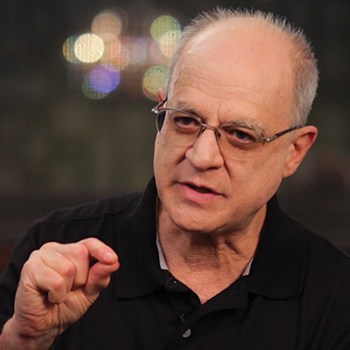
Read by author, David Ball
In Damages Evolving, authors David Ball, Artemis Malekpour, Courtney Rowley, and Nicholas Rowley (along with contributors Dorothy Clay Sims, Aaron Broussard, and Pate Skene) do more than just share their latest strategies and insights for successfully trying cases on behalf of injured clients.
The authors demonstrate new ways to make your cases stronger, now, today, as well as tomorrow and the days to come. They go beyond templates and examples you can use to solve the problems in your cases and share their reasoning as to why their solutions work, so that you can take their solutions and tailor them to your needs. They offer strategies and frameworks robust enough to give you an edge against unforeseeable changes, and—more importantly—they show you how and when to adapt their lessons to best tackle future challenges.
This new book on damages includes:
- New and tested methods from the authors, built on the latest research
- Numerous in-depth examples and trial transcripts—from a range of cases—that show you how you can apply the authors’ lessons in cases both large and small
- How you can help jurors become unified for justice
- Ways to get jurors to care about and understand your case
- How to teach jurors to value cases based on what truly matters
- Why noneconomic damages, assets, and human stories must become the heart of your cases and trial strategy
- How to better frame and value your clients’ cases through human stories
- Why framing your case around economic damages is wrong and plays into the defense’s hands
- Concepts, such as alignment and respect versus disrespect, that are based on fundamental human nature and do not change even as the world changes around us
- How to weave the value of noneconomic damages together with jury instructions and expert and lay witnesses
- How to deal with defense experts
- Insights for successfully handling jury selection, opening statement, direct and cross-examination, and closing argument
- Necessary updates for David Ball on Damages
As David Ball puts it, “Damages Evolving wants to keep you ahead of the curve as our world—and thus our jurors—undergoes faster and more abrupt changes than we’ve ever seen. Trial lawyers must be armed and ready. Evolution, after all, is the survival of the fittest.”
Please Note: Audiobooks are accessed through the “Trial Guides Bookshelf” in your account page. Or through the “Trial Guides App for Lawyers” available from Google Play or the Apple App Store.



Details
Details
Audiobook: 15 hours 17 minutes; 1st edition (2022); ISBN: 978-1-951962-16-6
Publisher: Trial Guides, LLC
Table of Contents
Table of Contents
Publisher’s Note
Foreword by Rick Friedman
Acknowledgments
Do We Agree?
Introduction
Part One: Navigating Damages
- Money Damages Equal Civil Justice
- Civil Trials Are Part of the Constitution
- The Erosion of Economic Damages
- You Are a Civil Rights Attorney
- Get Right with Yourself First
- Conviction Defines Credibility
- De-emphasizing Economic Damages
- Rant: No Fear, No Shame
- Are You in This for the Money?
- Greed?
- Noneconomic Damages Mean Equality & Dignity
- You, Your Client & the Jury Are Civil Justice
- Lawyers Are Leaders
- Trial Example
- The DeJongh Case
- Disrespect
- Conclusion
- Earning Capacity Ain’t Past Earnings
- Earnings versus Earning Capacity
- The Emotional Toll of Lost Earning Capacity
- Earning Capacity, Gender, Race
- Beyond Earning Capacity & Medical Bills
- What about Medical Bills & Life-Care Plans?
- Trial Example: The Guzman Case
- Separating Salary from Human Worth
- The Defense Wants Economic Damages
- Trial Example: The DeJongh Case
- Conclusion
- What Good Will the Money Do?
- Tangibility
- Part 1: Deterrence
- Deterrence & the Client’s Anguish
- Maximum Possible Harm
- Part 2: Healing
- Compensation versus Punitive Damages
- Economics Expert for Punitive Damages
- Don’t Encourage the Defendant to Gamble
- “Exemplary,” Not “Punitive”
- Conclusion
Part Two: How to Get Full Value
- Where (& How) Does It Hurt?
- Thinking You Already Know
- Thinking They Will Just Accept It
- How Did We Get Here, Step by Step
- The Mechanism of Impact
- The Mechanism of Injury
- Mechanisms Explain Aggravated Injuries
- Conclusion
- Forgotten Damages
- Far-Off Consequences
- The Terror of Small Odds
- Other Future Consequences
- Future Consequences in Voir Dire
- Should You Tell Your Client about the Future?
- Conclusion
- Calculating Fair-Trade Value
- Calculating Noneconomic Damages
- Trial Example: The Bronson Case
- Identifying Each & Every Harm
- Linking Items of Harm with Your Client’s Story
- More about Fair Trade
- Conclusion
- Calculating Noneconomic Damages
- The Client Connection
- Why Is She Like That?
- Questions to Dig Deeper
- You Need to Care
- The Trust That Binds
- Getting a Client to Talk
- The Gift of Reassurance
- Ultimately, the Bottom Line
- Conclusion
- Why Is She Like That?
- The Client, Incorporated Within
- When You Bother to Ask
- Factoring the ExhibitThat Is Your Client
- Your Client Is an Exhibit
- Contributing to Your Client’s Harm
- Example: Contributing to Harm
- Limiting Your Client on the Stand
- Trial Example: Child’s Cerebral Palsy Case
- Your Client & the Courtroom (in General)
- Your Client’s Presence, Case by Case
- Explain Your Reasoning in Voir Dire
- Protecting Your Client from Harm
- Conclusion
- Flashpoints, Empathy & Brain Damage
- Flashpoints
- Spotting Flashpoints
- Common Flashpoints
- Flashpoint versus Empathy
- How Do Flashpoints Work?
- How to Use Flashpoints
- Four Primary Brain Damage Flashpoints
- Combining Flashpoints in a Brain Damage Case
- Isolation
- Lack of Mood Control
- Immobility
- Shame & Humiliation
- Enforced Endless Boredom
- What Good Will Money Do for Brain-Damaged Clients?
- The Real Effects of Brain Injury
- Trial Example: The Lyons Case
- Use Concrete Examples
- Conclusion
- Flashpoints
- Loss of Control = Loss of Freedom of Choice
- Mood & Control
- Conclusion
- Respect & Disrespect
- Disrespect
- 1. Disrespect of the Negligent Act
- 2. Disrespect of Consequences of Injuries
- 3. The Pinnacle of Disrespect—Refusal to Redress
- 4. Disrespect of You, Your Client & the Jurors
- Suggested Reading: Malingering & Symptom Exaggeration
- Disrespect & You
- Disrespect & Motivating Damages
- Expert on Respect
- Trial Example: The Lyons Case
- Conclusion
- Disrespect
- The Stress & Damage of Litigation
- Trial Is Terrifying
- Talking about Anxiety at Trial
- Opening Statement
- Testimony
- Closing
- Trauma & Trial
- Your Client’s Injuries Over Time
- Trial Example: The Bronson Case
- Trial Example: The Lyons Case
- Don’t Let Jurors Have False Impressions
- Conclusion
- Helping Jurors Understand a Verdict
- How (& What) Do Jurors Value?
- Jurors Need to Trust You
- Look for Jurors Who Don’t Care Enough
- Look for Jurors’ Identity in Their Careers
- Look for Jurors Who “Would Find a Way”
- Reframing: Plaintiff Who Is Trying to Work
- Finding (& Framing) Common Values
- Where Is There Hope
- Inspiration from TV: Accident
- Recovery Documentaries
- Jurors Look to the Plaintiff’s Striving to Get Better
- Conclusion
- How (& What) Do Jurors Value?
Part Three: Presenting Damages in Trial
- Alignment
- Facts First
- What Is Alignment?
- Template for Opening
- Why Alignment Works
- Guidelines for the Alignment Story
- How to Build a Basic Alignment
- Choosing the Rules for Alignment
- Umbrella Rule
- Specific Rule
- Alignment with Comparative Negligence
- Conclusion
- Extended Alignment
- Example of Extended Alignment
- Conclusion
- The Jury as Appraisers
- What Appraisers Do
- Accurate Appraisals & the Defendant’s Bad Acts
- Opening Statement
- Introduction
- Detailed & Comprehensive—Not Estimates
- Appraisers Do Not Judge Books by Their Covers
- The Total Appraisal Amount Is Not What Matters
- A Note about Runaway Juries
- Appraisals Are Not Based on Guesswork
- Appraisals Are Consistent
- Facts & Evidence, Not Personal Beliefs
- Appraisals Require Full & Honest Disclosure
- Appraisers Do Not Factor in Feelings or Intent
- Closing Argument
- Voir Dire
- Conclusion
- What Appraisers Do
- Gravity & Duty
- Gravity of Bad Act 1: Maximum Foreseeable Harm
- Gravity of Bad Act 2: History
- Two Foreseeabilities
- Foreseeability in Opening
- History Questions for Testimony
- Gravity of Bad Act 3: Spreading the Dangers
- Gravity of Bad Act 4: Patterns & Contrasts of Bad Conduct
- Patterns Undermine Defense
- Life-Care Plans
- Pattern-Based Killer Closing
- Gravity of Bad Act 5: The Power of Duty
- Duty & Defensive Attribution
- Duty & the Judge
- Conclusion
- Trust Issues
- Banking on “The Elites”
- Credible Sources
- Who Tells Your (Damages) Story
- Elsewhere in the Courtroom
- What “Truths” Can Be Found Online?
- Conclusion
- Money-Minimizing Motivations, Part 1
- Never Would I Ever . . .
- How You Present Your Story Matters
- Flip the Script: Focus on the Defendant
- Address What the Plaintiff Did
- When Your Client Is the Perceived Danger
- Show How Your Client Was Safe
- Find Out about Your Client’s Actions
- Responsibly Responding to Responsibility
- Apportionment & Rules
- Rules Go Both Ways
- Conclusion
- Never Would I Ever . . .
- Money-Minimizing Motivations, Part 2
- Family Matters, the Liability Edition
- What Should the Family Have Done?
- Voir Dire Questions about Families
- Preparation Questions for Your
- Client’s Family
- Explore the Family’s Decision-Making
- Processes
- Family Matters, the Damages Edition
- Perceptions about the Family’s
- Interests
- Family Members & Credibility
- The Empty Chairs
- Maybe It Was Something Else
- Conclusion
- Family Matters, the Liability Edition
- Fair & Impartial Jurors
- It Is Not Preconditioning or Anchoring
- Tell Jurors What Their Job Is Going to Be
- Jurors Appreciate Knowing in Advance
- What If Yours Was a Criminal Death
- Penalty Case?
- Specific Dollar Amounts without Preconditioning
- Trial Example: Judge Biased against
- Noneconomic Damages
- Mini-Opening Statements Reveal Juror Bias
- Trial Example: The Guzman Case
- Conclusion
- It Is Not Preconditioning or Anchoring
- Jury Selection & Opening Statement
- Voir Dire & Brutal Honesty
- Trial Example: The Hoang Case
- Irksomely Bogus Defense Tactic
- Opening Statement
- Trial Example: The Von Normann Case
- Conclusion
- Voir Dire & Brutal Honesty
- Direct & Cross-Examination: Proving the Full Value of Noneconomic Damages
- Direct Examination
- Trial Example: The DeJongh Case
- Cross-Examination
- Trial Example: The Alvarez Case
- Conclusion
- Direct Examination
- Experts, Cheating & Damages, Part 1
- The Reliability Test
- Intentional Cheating Is a Damages Driver
- Background Information on Each Requisite
- Jurors Don’t Need to Understand All Processes
- How Do the Reliability Requisites Neutralize Biases?
- The Power of Bias on Human
- Decision-Making
- Convincing the Judge
- The Makes-No-Difference Excuse
- The Big Bonus: Jurors Don’t Need to Know the Science
- The Trade-Secret Excuse
- Checking the Analysis (Requisite Three) Analogies
- Non-Opinion Experts
- Questions for Your Experts in Trial
- Conclusion
- The Reliability Test
- Experts, Cheating & Damages, Part 2
- Expertise: Fact or Fiction?
- Check the Expert’s CV
- Use Listservs for Research
- What to Do with All This Material?
- Use the Expert’s Own Codes of Ethics
- Video-Record the Exam
- What Should You Subpoena?/li>
- How to Read an Expert’s Report
- Using Report Misrepresentations at Depositions & Trial
- Preparing Exhibits for Depositions & Trial
- During the Deposition
- Ask Questions the Right Way
- If the Expert Is an Author
- Supplement A: Misrepresented Medical Exam
- Supplement B: Findings Left Out of the Defense Report
- Supplement C: Spasm Chart
- Supplement D: CV Experience Chart
- Conclusion
- Expertise: Fact or Fiction?
- Closing & Rebuttal: Less than Full Justice Is Injustice
- Objections in Closing
- The Right to Argue Self-Evident Information
- Trial Example: The Huitt Case
- Reasonable Compensation = 100%
- Rebuttal
- Rely on Facts & Evidence
- Trial Example: The DeJongh Case
- Don’t Give Jurors a Conclusion
- Conclusion
- Don’t Get Grounded by Economic Damages
- Medical Bills Are Often the Smallest Damages
- Trial Example: The Bronson Case
- Conclusion
- Medical Bills Are Often the Smallest Damages
- The Practice of Kindness
- Kindness & Anger
- Establishing Yourself as a Trusted
- Authority
- First Impressions
- Methods & Kindness Matter
- The Unintended Slight
- Be Kind, All the Time
- Conclusion
- Kindness & Anger
- Conclusion: Don’t Ask, Do Tell
Appendices
- Appendix A: Updates to David Ball on Damages, 3rd Edition
- Appendix B: Signs of Possible Brain Damage
- Appendix C: Brief for Limiting Objections in Closing Argument
Index
About the Authors
Template for Opening
