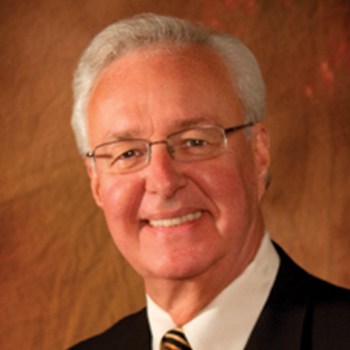
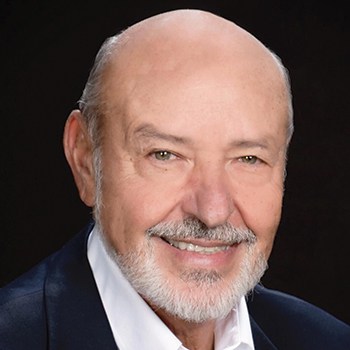
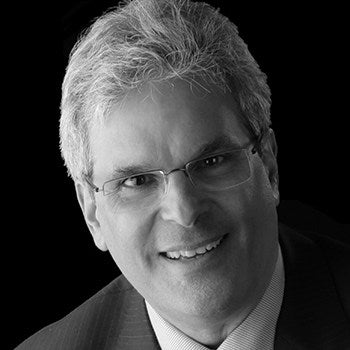
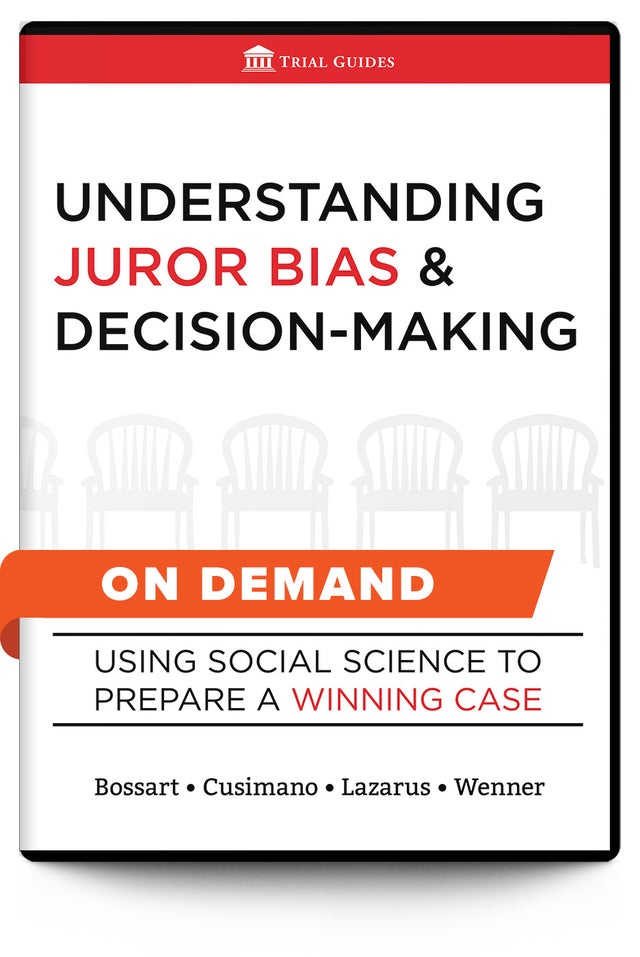
Join Gregory Cusimano, David Wenner, and Edward Lazarus—three of the country’s top experts in jury bias—as they teach the tools and psychological principles that attorneys need to understand in order to better prepare and present their cases. Cusimano, Lazarus, and Wenner, with their partner David Bossart, have been involved in some of the most significant plaintiff’s verdicts in the country, totaling more than $4 billion combined. In this multipart presentation, they teach you how to use their two groundbreaking approaches to winning civil jury trials, The Jury Bias Model and Bottom-Up Case Preparation, to strengthen your cases—no matter the subject or venue—and better obtain fully just outcomes for your clients.
Over the course of 11 hours, these experts cover the following and more:
The Jury Bias Model
Bottom-Up Case Preparation
Addressing jurors and the social science behind the process
Developing a strategy and effective message to address the jury
Moral foundation theory and the breadth of your story
Dealing with bias and belief in the courtroom
How jurors make decisions and the importance of listening
This presentation is the cumulation of decades of research from the team behind one of the leading trial consulting firms in the country. Winning Works™ members Greg Cusimano, David Wenner, David Bossart, and Edward Lazarus have combined their skill, experience, and research to create a highly successful approach that can be applied to any case, which they share over the course of this presentation.
A note to the viewer: though David Bossart helped prepare much of this presentation, he was unable to attend live and does not appear on camera.
This seven-part program focuses on the following:
Jury Bias Model & Bottom-Up Preparation: Part One (93 Minutes)
Civil Justice
How the Jury Bias Model Works
Attitudes and Beliefs of Jurors
General Beliefs
Personal Responsibility
Types of jurors
Jury Bias Model & Bottom-Up Preparation: Part Two (82 Minutes)
Framing Your Case
Ten Commandments to Address Jury Bias
Narrative
Confirmation Bias
Belief Perseverance Principle
Availability Principle
Norm Principle
Fundamental Attribution Error
Hindsight Principle
Empathy Principle
Anchoring Principle
Framing Principle
Addressing Jurors & the Social Science Behind the Process (78 Minutes)
Changing Attitudes of Jurors
Decision Making
System Approach
Bottom-Up Preparation Process
The Social Science Behind the Process
Building a Narrative
Developing a Strategy & Effective Message to Address the Jury (124 Minutes)
Political Strategy and the Jury
Principles of Effective Communication
The Message
Message Implementation Primer
Developing a Core
Framing your Message
Moral Foundation Theory & The Breadth of Your Story (76 Minutes)
Moral Foundation Theory
Foundation #1: Care Versus Harm
Foundation #2: Fairness Versus Cheating
Foundation #3: Loyalty Versus Betrayal
Foundation #4: Authority Versus Subversion
Foundation #5: Sanctity Versus Degradation
The Breadth of Your Story
Bias & Belief in the Courtroom (97 Minutes)
The Role of Bias in the Courtroom
Automatic Thinking and Decision Making
Using Psychological Understanding in your Case
The Power of Belief
The Importance of Facts
How Jurors Make Decisions, & the Importance of Listening (120 Minutes)
There are moments in this video that the audio from the speakers and audience members may be difficult to hear. We feel that despite this, the whole of the program offers invaluable insight that can still be gained despite some audio issues in a few sections.
"What were your key takeaways from the program? Focus groups (formal and informal) are essential to find out the cases story and what facts prospective jurors will find relevant. In addition, jurors will stick with their belief system. They will block facts that go against their beliefs and accept the facts to confirm. Which topics did you find least valuable and why? Everything was valuable."
— Roberto A. (5/5)
Importance of content
"What were your key takeaways from the program? Importance of content"
— Patrick T. (5/5)
Great overview
"What were your key takeaways from the program? Great overview of jury bias, social science, behavior economics, et cetera, and their role in advocacy"
— Timothy C. (5/5)
too much
"What were your key takeaways from the program? too much to write Which topics did you find least valuable and why? politics"
— Peter A. (5/5)
Q&A
Your cart
LMS
Understanding Juror Bias and Decision Making: Using Social Science to Prepare a Winning Case - On Demand
$599.00
Unit price /
Unavailable
Join Gregory Cusimano, David Wenner, and Edward Lazarus—three of the country’s top experts in jury bias—as they teach the tools and psychological principles that attorneys need to understand in order to better prepare and present their cases. Cusimano, Lazarus, and Wenner, with their partner David Bossart, have been involved in some of the most significant plaintiff’s verdicts in the country, totaling more than $4 billion combined. In this multipart presentation, they teach you how to use their two groundbreaking approaches to winning civil jury trials, The Jury Bias Model and Bottom-Up Case Preparation, to strengthen your cases—no matter the subject or venue—and better obtain fully just outcomes for your clients.
Over the course of 11 hours, these experts cover the following and more:
The Jury Bias Model
Bottom-Up Case Preparation
Addressing jurors and the social science behind the process
Developing a strategy and effective message to address the jury
Moral foundation theory and the breadth of your story
Dealing with bias and belief in the courtroom
How jurors make decisions and the importance of listening
This presentation is the cumulation of decades of research from the team behind one of the leading trial consulting firms in the country. Winning Works™ members Greg Cusimano, David Wenner, David Bossart, and Edward Lazarus have combined their skill, experience, and research to create a highly successful approach that can be applied to any case, which they share over the course of this presentation.
A note to the viewer: though David Bossart helped prepare much of this presentation, he was unable to attend live and does not appear on camera.
This seven-part program focuses on the following:
Jury Bias Model & Bottom-Up Preparation: Part One (93 Minutes)
Civil Justice
How the Jury Bias Model Works
Attitudes and Beliefs of Jurors
General Beliefs
Personal Responsibility
Types of jurors
Jury Bias Model & Bottom-Up Preparation: Part Two (82 Minutes)
Framing Your Case
Ten Commandments to Address Jury Bias
Narrative
Confirmation Bias
Belief Perseverance Principle
Availability Principle
Norm Principle
Fundamental Attribution Error
Hindsight Principle
Empathy Principle
Anchoring Principle
Framing Principle
Addressing Jurors & the Social Science Behind the Process (78 Minutes)
Changing Attitudes of Jurors
Decision Making
System Approach
Bottom-Up Preparation Process
The Social Science Behind the Process
Building a Narrative
Developing a Strategy & Effective Message to Address the Jury (124 Minutes)
Political Strategy and the Jury
Principles of Effective Communication
The Message
Message Implementation Primer
Developing a Core
Framing your Message
Moral Foundation Theory & The Breadth of Your Story (76 Minutes)
Moral Foundation Theory
Foundation #1: Care Versus Harm
Foundation #2: Fairness Versus Cheating
Foundation #3: Loyalty Versus Betrayal
Foundation #4: Authority Versus Subversion
Foundation #5: Sanctity Versus Degradation
The Breadth of Your Story
Bias & Belief in the Courtroom (97 Minutes)
The Role of Bias in the Courtroom
Automatic Thinking and Decision Making
Using Psychological Understanding in your Case
The Power of Belief
The Importance of Facts
How Jurors Make Decisions, & the Importance of Listening (120 Minutes)
There are moments in this video that the audio from the speakers and audience members may be difficult to hear. We feel that despite this, the whole of the program offers invaluable insight that can still be gained despite some audio issues in a few sections.